Moringa tea offers numerous health benefits, including improved digestion, enhanced immunity, and anti-inflammatory properties. Its rich nutrient profile makes it a popular choice among health enthusiasts and those seeking herbal alternatives for wellness.
Organic logical tea with mint
FREE SHIPPING
For purchases over 599 kr.
Delivery
2 - 5 business days
Organic teas
Eco-friendly packaging
Missing your favorite?<br /> (Tip us)
Describe your tip
What is mint tea?
Mint is a popular ingredient in many herbal teas.
Its menthol-like flavor makes it very appealing, making it one of the most popular tea ingredients in the world.
Like the vast majority of herbs, mint is caffeine-free, making it a great tea to drink before bed.
The scientific name for mint is Mentha piperita, and it’s actually a cross between watermint and spearmint.
It’s native to Europe, but the wide range of uses has made peppermint a global ingredient.
Mint grows well in almost all temperate climates.
Gardeners often grow it in pots because of its invasive, spreading rhizomes (roots and plant stem).
In other words, it’s a plant whose spread is difficult to control.
The plant generally prefers partial shade, but can also thrive in sunny locations for part of the day.
Spearmint leaves can be used fresh, dried or frozen.
They can also be preserved in salt, sugar, syrup, alcohol or oil.
The leaves lose their aromatic properties after the plant has flowered.
The legend of mint
The name ‘mint’ probably has its origins in Greek mythology, where a love story takes place.
As in all Greek mythologies, there are many versions of the same story.
The most popular version tells that Hades seduced the nymph, Minthe.
This understandably led to his wife, Persephone, becoming angry and consumed with jealousy, turning Minthe into a plant that people would constantly step on.
Upset by his wife’s interference, Hades arranged for the plant to be mixed with peppermint so that when the plant was stepped on, it would release a wonderful scent.
Hades hoped that this would remind the world how beautiful and full of life Minthe had been.
This further fueled Persephone’s rage at her husband’s interference because Minthe’s presence would forever be in the air as a constant reminder.
A universe of tea
the ultimate guide to making lemon tea: recipes, benefits, and tips
Lemon tea offers refreshing flavour and numerous health benefits. Discover easy recipes, tips for perfecting your brew, and enjoy a revitalising cup that supports wellness and hydration in your daily routine.
the ultimate guide to brewing and uses of Sage tea
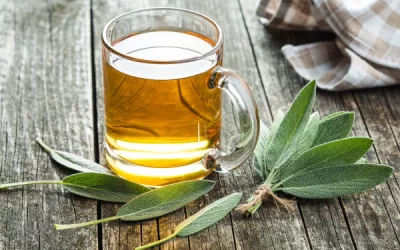
Sage tea offers numerous health benefits, supporting diabetes management, easing menopause symptoms, and potentially enhancing cognitive function. This herbal remedy provides a natural option for those seeking alternative solutions for well-being.
The history of mint
It is believed that mint was used as far back as ancient Egypt.
This is based on the discovery of dried mint discovered in certain pyramids.
These were later carbon dated to 1,000 BC. In ancient Rome, mint and peppermint were also grown in gardens for medicinal purposes, especially to help with indigestion.
They also used mint and peppermint as a ground cover, especially between stones and small paths.
They used the pleasant scent the plants are known for to welcome visitors Historically, mint has been used in different cultures to relieve or cure various ailments including; bad breath, upset stomach, headaches, heartburn, hiccups, indigestion and nausea.